Cost of Goods in Hemp Edibles: A Margin Breakdown
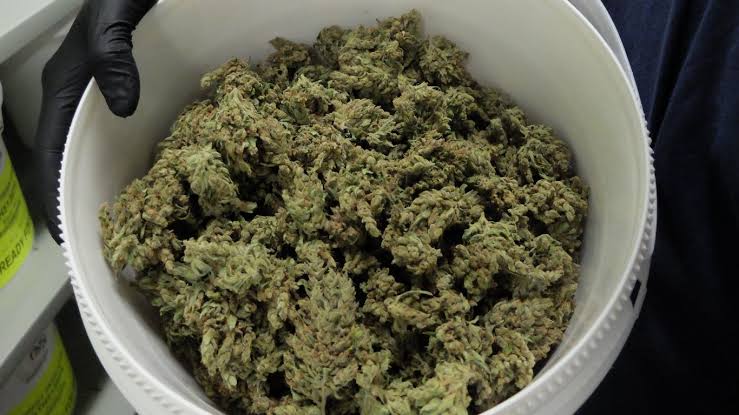
Costs behind two identical-looking gummies can differ substantially depending on where each ingredient was sourced and how the extract was priced at the time of purchase. Each chain of hemp extract, sweetener, gelatin or pectin base, flavouring, packaging, and sweeteners moves independently; a shift in one reveals little about them all. Someone who wants to view the product with a clear read on margin has to trace each of those inputs back to its own cost basis rather than judging the finished piece on appearance alone. Extraction cost carries more weight in that structure than any other input, since cannabinoid concentration moves price more directly than volume or brand positioning does. A lower potency batch costs less to produce, but it also sells at a lower price point, so the margin percentage doesn’t always track with raw material savings the way it looks like it should on paper.
Yield and testing costs
Yield per harvest varies with growing conditions, genetics, and processing method, and that variance drives extract pricing more than most manufacturers expect going in. Buying distillate at scale usually secures better per-unit pricing, though that edge shrinks once storage and testing costs get added back into the total. Several cost layers stack on top of raw extract pricing before it ever reaches a finished product:
- Testing fees apply to every incoming batch, whether or not it clears on the first submission.
- Storage conditions affect extract stability, and poor storage can degrade potency before formulation even starts.
- Formulation waste during production cuts into effective yield, since not every millilitre of extract survives into the finished edible.
Packaging and ingredients
Packaging costs and secondary ingredient pricing move independently of each other, yet both sit outside anything tied directly to cannabinoid content. Sweeteners, gelling agents, flavour compounds, and colouring shift with agricultural markets that have nothing to do with hemp at all, which means a spike in sugar or gelatin pricing can hit an edible’s cost basis with no connection to extract supply whatsoever.
Packaging for child-resistant products, which is required across most markets, runs significantly higher than standard packaging, regardless of batch size. Since they don’t reach volume thresholds, smaller producers often pay more per unit for packaging.
Reading true margin
Reading margin accurately on hemp edibles only works once every cost layer gets counted, not just the extract and base ingredients. Labour, equipment depreciation, compliance testing, and packaging all feed into a final number that’s usually lower than manufacturers assume before running it. Separating fixed costs from variable ones sharpens that picture considerably. Fixed costs, like equipment and facility overhead, hold steady regardless of batch size, while variable costs shift with every ingredient order. Producers who keep those two categories distinct tend to price more consistently across product lines, since fixed cost dilution improves as batch size grows, while variable cost per unit stays relatively flat.
Margin also tightens whenever a product needs extra formulation steps, such as flavour masking or extended shelf stability testing, since each added step brings its own cost without necessarily pushing the retail price up to match. Cost of goods in hemp edibles comes down to several independently moving parts, and margin reflects how closely those parts get tracked rather than any one ingredient’s price tag. Manufacturers who separate fixed and variable costs, watch extraction pricing closely, and account for packaging requirements tend to land on numbers that reflect real production cost rather than a rough estimate built off extract price alone.