The THC Beverage Boom: A 2026 Market Breakdown
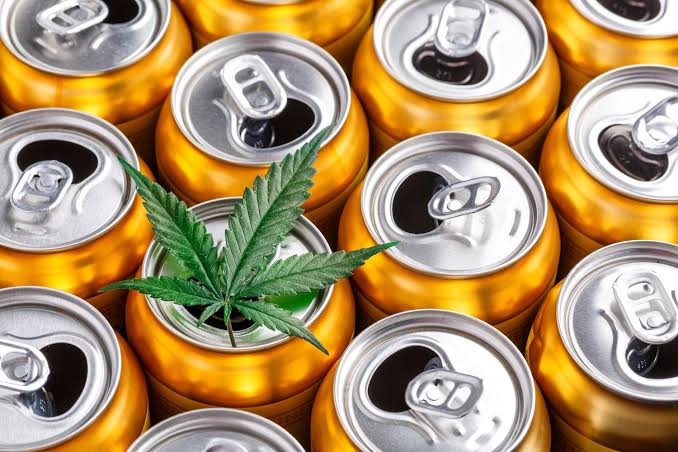
Coolers tell the story faster than market reports. Shelf space that belonged entirely to beer three years ago now splits against cannabis seltzers, and the shift keeps accelerating through 2026. BudPop operate inside a beverage segment that outgrew every other hemp format this year, pulled forward by drinkers rather than pushed by marketing, which is exactly the kind of growth that lasts.
Market shape today
Hemp derived THC beverages crossed from novelty into category this cycle. Products that once lived in smoke shops are now sold at grocery stores, liquor stores, and restaurants across any state that permits such a product to be sold. Distribution tells a very simple story: products that once lived in smoke shops are now sold at grocery stores, liquor stores, and restaurants. The process of segmenting doses also matured as a consequence of the process of segmentation.
- Low-dose seltzers at two to five milligrams are the best choice for social events.
- Mid-strength cans serve experienced drinkers,
- High-dose shots occupy a small, intense corner.
Flavour competition now resembles craft beverage more than cannabis, brands hiring beverage industry veterans away from soda and beer companies, and packaging that photographs beautifully beside a pool. Price points settled into ranges mirroring premium seltzer, close enough to alcohol that switching requires no budget decision.
What drives adoption
- Hangover avoidance leads every consumer survey; tomorrow morning matters more than tonight.
- Calorie math favours cannabis seltzers heavily against beer, wine, and cocktails alike.
- Fast onset formulations deliver feedback within twenty minutes, matching alcohol’s social pacing.
- Precise milligram labels give drinkers control over alcohol percentages never honestly offered.
- Social acceptance widened, a can at a barbecue no longer requiring explanation anywhere.
Each driver reinforces the others, and together they describe a structural preference shift rather than a passing curiosity.
Competitive field crowds
Success invited everyone. Hemp brands extended into liquid, beverage entrepreneurs entered from craft beer backgrounds, and alcohol majors quietly incubated or acquired cannabis drink lines as hedges against their own declining volume. Co-packing capacity became the bottleneck of the year, stability tested nano emulsified production slots booking out months ahead. Differentiation now runs through flavour quality, onset consistency, and distribution muscle rather than novelty, because novelty stopped being scarce. Shakeout signs already show, weaker brands discounting toward oblivion while leaders raise prices and hold. The pattern mirrors every young beverage category before it, hard seltzer most recently, and everyone involved knows how that story consolidated.
Regulatory weather watch
All growth sits beneath legislative uncertainty. Farm bill language could shift thresholds, individual states keep rewriting milligram caps and format rules, and alcohol distributors lobby both directions depending upon their portfolio exposure. Operators respond by staying format flexible, keeping formulations adaptable across potency caps, and building brand equity strong enough to survive reformulation. Capital keeps flowing regardless, betting that some durable legal shape emerges because consumer demand at this scale rarely gets legislated away entirely, just rerouted.
The 2026 picture is a category that has proven itself and is now busy consolidating. Beverages gave hemp its most mainstream product yet, and the operators pairing beverage craft with regulatory agility are building the brands that the eventual settled market will belong to.